How do I plan a rhinoplasty trip to Turkey from the United States? The answer starts well before you book a flight. Rhinoplasty in the United States runs $10,000 to $22,000 before you factor in anesthesia, facility fees, or follow-up care. The same surgery, performed by a board-certified specialist, costs $3,000 to $6,500 in Turkey. That gap is not a rumor circulating on Reddit; it is the reason tens of thousands of Americans fly to Turkey for nose surgery every year. The savings cover the flight, the hotel, and still leave money in your pocket.
But “just go to Turkey” is not a plan. Planning a rhinoplasty trip to Turkey from the United States requires the same structured thinking as any significant surgical decision, layered on top of international travel logistics. This guide gives you the practical road map: how to vet a surgeon before you fly, what your budget should realistically look like, how to handle entry requirements, how to prepare medically, what your recovery stay looks like day by day, and how to protect yourself if something goes wrong.
Boutique practices like Op. Dr. Ergün Kürün’s clinic in Adana have built their intake process specifically around international patients, English-language teleconsultations, structured pre-travel checklists, and recovery protocols calibrated to real flight schedules. That model is what a well-organized medical tourism experience looks like, and it is the benchmark against which you should measure every clinic you consider.
How to find and vet a rhinoplasty surgeon before you book anything
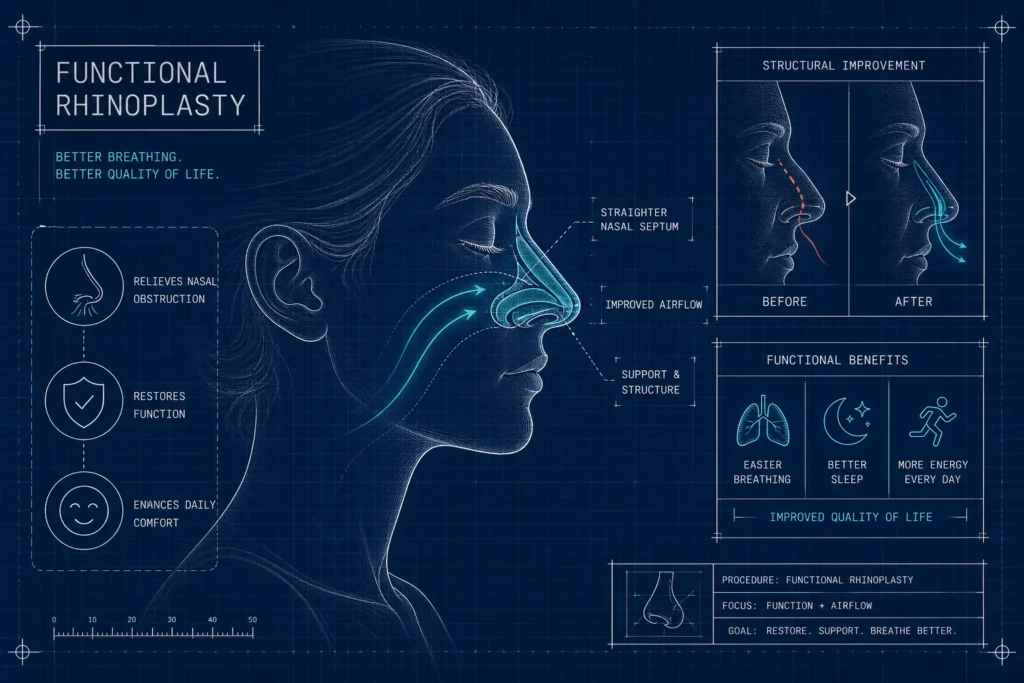
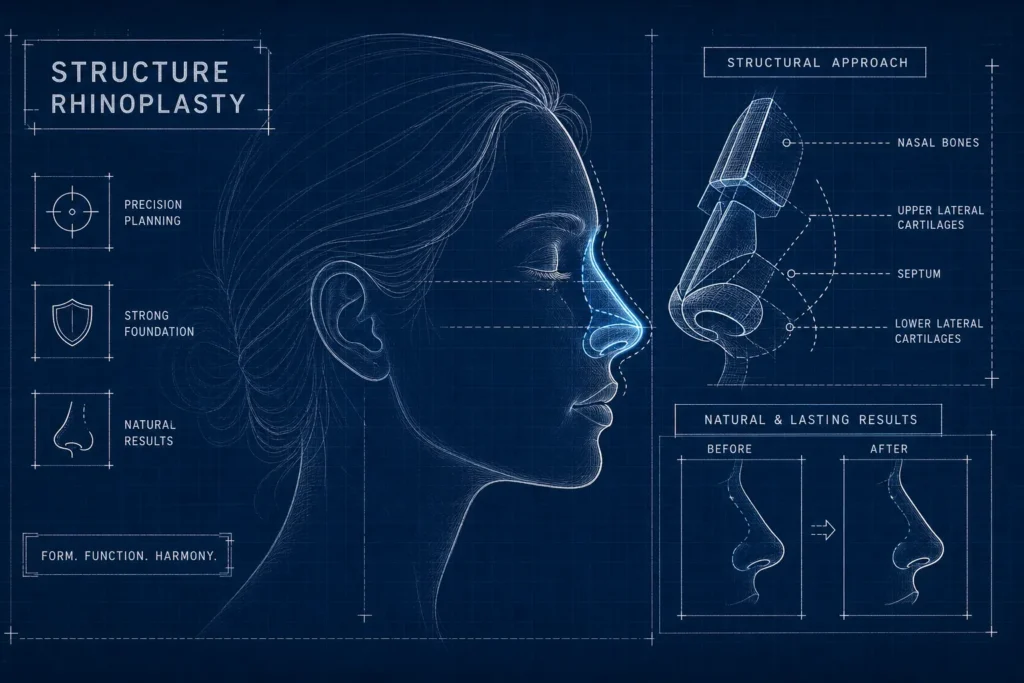
The vetting process starts remotely, not after you land. A quality Turkish clinic offers a structured, English-language video consultation where the surgeon, not a patient coordinator, reviews your photos, discusses your functional rhinoplasty and aesthetic goals, and outlines a personalized surgical plan before you commit to anything. At Dr. Kürün’s clinic, this teleconsultation is run directly by the surgeon and followed by a documented pre-travel protocol so you know exactly what to bring, what tests to run locally, and what the timeline looks like.
Red flags are easy to spot once you know what to look for. If a clinic skips the virtual consultation and pushes you straight to payment, walk away. If every pre-op conversation is managed entirely by a coordinator with no direct surgeon access, that is a structural problem, not a minor inconvenience. The surgeon who will operate on your nose should be the one reviewing your anatomy before surgery.
Credential verification is straightforward when you use official sources (learn how to verify your Turkish surgeon’s credentials online). Check the Turkish Ministry of Health portal for the surgeon’s Diploma Number and specialization certificate. Confirm membership in the Turkish Society of Plastic, Reconstructive and Aesthetic Surgeons (TPRECD) via their member directory. Use the ISAPS “Find a Surgeon” tool for international society verification. For hospital accreditation, look up Joint Commission International (JCI) status directly at jcaho.org; claims on a clinic’s website can be outdated. Every clinic legally treating international patients in Turkey must also hold a Health Tourism Authorization Certificate, verifiable on the USHAŞ database.
When reviewing before-and-after photos, exercise caution. AI-generated images are a genuine concern in 2026. Consistent studio lighting tells you nothing; “Day 1 to Day 30” recovery video diaries are much harder to fabricate. Cross-reference photos on the surgeon’s official Instagram with what appears on the website. If results look inconsistent across platforms, request direct referrals to recent patients rather than settling for a curated review page.
Planning a rhinoplasty trip to Turkey from the U.S.: costs and what packages include
Realistic pricing for rhinoplasty packages in Turkey sits between $2,800 and $6,500 for most patients. Advanced cases, revision surgery, or highly specialized techniques can push the upper range to $7,000 to $15,000 with top-tier surgeons (for example, Preservation Rhinoplasty). Compare that to the U.S. range of $10,000 to $22,000, and the math is clear: Turkey saves most patients 65 to 75 percent, even after accounting for flights and accommodation. The lowest quotes you will see online, often $1,500 to $2,000, almost always exclude aftercare, hospital fees, and follow-up consultations. Bargain pricing is a warning sign, not a deal.
Most established Turkish clinics offer all-inclusive packages designed to simplify the trip for international patients. Typical inclusions cover the pre-op consultation, surgery and anesthesia, five to eight nights in a partner hotel, VIP airport transfers, post-op check-ups, medications, and 24/7 translator support. For an overview of what to expect from full service packages and clinic offerings, see this rhinoplasty in Turkey guide. What packages rarely include: international flights, extended hotel stays beyond the package window, and additional procedures like septoplasty if not discussed in advance.
A realistic total budget example: a package at $4,500 plus a roundtrip flight from a major U.S. hub at $800 to $1,200, plus personal expenses, puts your all-in Turkey rhinoplasty cost around $6,000 to $7,500, still less than the low end of U.S. pricing for the surgery alone, and a figure that holds up well against New York or Los Angeles averages of $15,000 or more.
Visa requirements and travel logistics for U.S. patients
U.S. citizens with ordinary passports are visa-exempt for stays under 90 days within any 180-day period, which comfortably covers any rhinoplasty trip. Passport validity requirements apply, the document must be current for at least six months beyond your entry date and carry at least one blank stamp page. Some specific procedures may require a formal medical visa under Turkish regulations; confirm with the Turkish consulate whether your planned surgery falls under the general exemption before you book. Expect the clinic to issue a Medical Invitation Letter confirming your treatment dates and scheduled appointments, which matters if any immigration question comes up at the border.
Book your flights with surgical timing in mind. Arrive at least one full day before surgery for pre-op consultations and final blood work. On the return side, build a 48-hour buffer into your departure booking. If splint removal is delayed or your surgeon wants one more day of monitoring, an inflexible departure date creates unnecessary pressure. For the flight home, direct or single-connection routing from major U.S. hubs is strongly preferred; long layovers add swelling risk when you are a week post-op.
Stay within 15 minutes of your clinic, not in a tourist district 40 minutes away. Many Turkish clinics partner with nearby recovery hotels. For boutique Adana-based clinics like Dr. Kürün’s, ask specifically which hotel international patients use during recovery; proximity and staff familiarity with post-op guests makes a real difference in those first few days when you are resting and attending follow-up appointments.
Pre-op preparation: what to do in the months before you fly
A structured timeline prevents last-minute scrambling. Work through each phase deliberately:
Three to four months out: Complete your initial teleconsultation, confirm the surgical plan and pricing, and request the clinic’s pre-travel document checklist.
Two months out: Book flights and accommodation, submit your medical history and current medication list, and order any pre-op blood work your home physician can run locally.
Four to six weeks out: Stop blood-thinning supplements (omega-3, aspirin, vitamin E) and smoking as directed by your surgeon.
One to two weeks out: Confirm all pre-op appointments and arrange for a travel companion or an emergency contact in Turkey.
Standard pre-operative requirements at Turkish rhinoplasty clinics include a complete blood count (CBC), a biochemistry panel for liver and kidney function, coagulation tests (PT/PTT/INR), and infectious disease screening. Patients over 40 are typically asked for an ECG. If you have had a previous rhinoplasty, your original operative report and surgical photos are essential for revision planning. A clinic with a proper international patient protocol will send you this checklist well in advance, if they do not, that is worth noting.
Your 7-to-10-day recovery stay: what happens day by day
Day 1 is surgery day; swelling peaks within the first 24 to 48 hours. Days 2 to 4 typically involve removal of any internal silicone buffers, and warm showers are allowed as long as the nose stays dry. Days 6 to 7 bring splint removal; the surgeon confirms healing stability and gives you a clear assessment of where things stand before travel planning begins. Between days 7 and 10, most patients are medically cleared to fly per standard post-rhinoplasty protocols, and nasal breathing improves noticeably by this point. For a more detailed week-by-week chart, consult this rhinoplasty recovery timeline.
The 7-day social recovery protocol at Dr. Kürün’s clinic is structured specifically around international patients’ flight schedules, accounting for bruising visibility and the presentability required for airports and travel. Patients leave visibly post-procedure but presentable, not alarming, with the expectation of continued healing over the following weeks.
Long-haul cabin pressure can temporarily increase swelling on the flight home. Stay hydrated, avoid alcohol, and keep your head elevated. The nose you see at Day 7 is not your final result. Full internal healing and your actual cosmetic outcome take 6 to 12 months. For detailed expectations on how swelling subsides over time, see When Does Swelling Subside After Rhinoplasty? A Guide for the First Week, 1 Month, and 6 Months. Set up a U.S.-based follow-up with an ENT or rhinoplasty surgeon for your 6-week check-in; your Turkish surgeon can handle ongoing assessment through virtual follow-ups.
Insurance, contingency planning, and protecting yourself abroad
Standard travel insurance does not cover surgical complications abroad. You need a specialized medical travel insurance policy that explicitly includes life-threatening complications, medical evacuation, and repatriation. Providers like Medical Travel Shield and Pulse Insurance offer plans in this category, but read the Product Disclosure Statement carefully before purchasing. Most policies cover complications only when they are life-threatening; minor asymmetry, temporary bruising, or a localized infection typically falls outside coverage. Confirm the policy covers cosmetic procedures in Turkey specifically, as some exclude certain regions for elective surgery. Disclose the surgery to your insurer before traveling, concealing the procedure can void the policy entirely.
Build a basic contingency plan before you land. Know the nearest JCI-accredited hospital to your clinic. Keep your surgeon’s emergency contact number on your phone, not buried in an email thread. Confirm that your U.S. health insurance covers emergency care abroad, even if elective rhinoplasty itself is excluded. A 48-hour buffer in your itinerary means an unexpected extra night does not strand you at the airport.
The sequence that makes this work
If you have been asking yourself how do I plan a rhinoplasty trip to Turkey from the United States, the answer is: in the right order. Vet the surgeon first. Build your budget second. Handle travel logistics third. Prepare medically before you pack. The sequence matters because each step informs the next, locking in flights before you have confirmed a surgical plan is how people end up rushed and underprepared.
The key numbers are worth keeping in mind: an 8-to-11-day total stay, 65 to 75 percent cost savings compared to U.S. pricing, and a 6-to-12-month window for full results. None of that changes based on which surgeon you choose, but the quality of your outcome absolutely does.
The first step is a virtual consultation, not a flight search. When planning a rhinoplasty trip to Turkey from the United States, boutique practices like Op. Dr. Ergün Kürün’s clinic in Adana offer precisely the kind of start that sets the entire trip up correctly: anatomy-specific surgical planning discussed in English, a documented pre-travel checklist, and a clear picture of the full process before you commit to anything. Start there, build the plan from that foundation, and the logistics fall into place.